
Construction
Construction loans: stages, progress payments and preparation
A practical guide to construction-loan stages, builder contracts, progress payments, valuations, borrower contributions, variations, buffers, and document preparation.

Key checks before you decide
Reviewed by emoney broker team. Updated 12 July 2026. Sources are listed below.
- Confirm the lender's progress-payment stages.
- Check how invoices and inspections are submitted.
- Understand repayments during construction and after completion.
- Land ownership, purchase, title, or settlement details.
In this guide5 sections
Understand staged lending
A construction loan usually does not release the full building amount at once. Funds are commonly drawn as completed work reaches agreed stages.
The contract may describe stages such as deposit, slab or base, frame, lock-up, fixing, and completion. The lender's labels, evidence requirements, and payment process can differ, so the borrower and builder should not assume the contract schedule automatically matches the lender schedule.
Interest is commonly calculated on the amount drawn rather than the full approved construction limit during the build, but the exact repayment arrangement must be checked with the lender.
- Confirm the lender's progress-payment stages.
- Check how invoices and inspections are submitted.
- Understand repayments during construction and after completion.
Prepare the land and building documents
The first review should show what is being built, where it is being built, who will build it, how much it costs, and what approvals are in place.
Common starting documents include the land contract or title details, fixed-price building contract, plans, specifications, inclusions, council or certifier approvals, builder details, insurance evidence, and quotes for work outside the main contract.
The broker can confirm the lender-specific list before anything is lodged. Send sensitive personal records and signed contracts only through the approved secure process.
- Land ownership, purchase, title, or settlement details.
- Signed building contract, plans, specifications, and inclusions.
- Approvals, builder details, insurance, and expected start date.
- Quotes for landscaping, driveways, demolition, site works, or other excluded costs.
Watch out
Allow for valuations and borrower contributions
A lender valuation may consider the land and the completed property. If the assessed value or eligible construction cost is lower than expected, the borrower may need additional funds.
The amount the lender is prepared to advance can depend on the contract, valuation, loan-to-value ratioHome Loans / Loan decisionsLVR and LMI explainedUse this when a guide mentions loan-to-value ratio, lenders mortgage insurance, or low-deposit trade-offs.Open page , borrower position, and lender policy. Deposits already paid and available cash should be mapped against the lender's required contribution and the timing of early invoices.
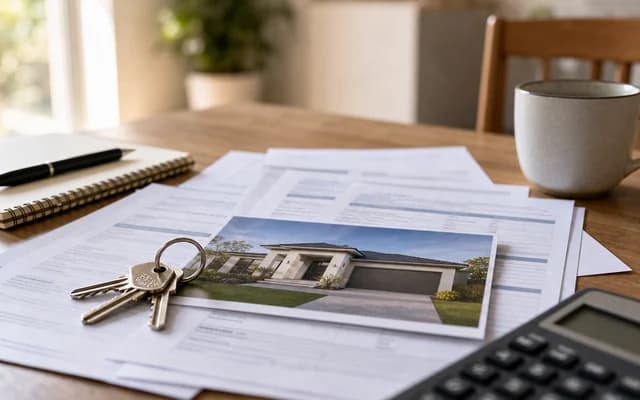
Do not spend the contingency buffer merely because the loan is approved. Funding gaps often appear through site costs, variations, exclusions, delayed sales, rent during construction, or changes to the build.
- Check which costs the lender treats as part of the build.
- Confirm when personal funds must be contributed.
- Keep a separate buffer for variations, delays, and excluded work.
Broker note
Control variations before signing them
A contract variation can change the build price without automatically increasing the approved loan amount.
Before accepting a significant variation, check how it will be funded and whether the lender or valuer needs updated documents. Repeated small changes can also exhaust the buffer even when each one appears manageable.
Keep a current build budget showing the contract price, approved variations, work outside the contract, payments made, funds remaining, and contingency balance.
- Price the variation and funding source before signing.
- Keep one current budget rather than separate informal totals.
- Tell the broker early if timing, builder, scope, or costs change.
Next step
Want a broker to check this against your situation?
Answer a few questions so emoney can route your enquiry to the right broker conversation.Ask an emoney broker to review the build, budget, timing, and likely document pathway.Check every progress claim and completion step
Progress payments should match completed work and the approved process. Completion also requires more than the final builder invoice.
The lender may require an inspection, invoice, borrower authority, and confirmation that earlier contributions have been used. The borrower should understand the claim before authorising payment and raise disputed work through the appropriate contract process.
Before the final draw, confirm practical completion, required certificates, insurance, defects process, final valuation or inspection, remaining personal funds, and the repayment arrangement after the loan converts from construction.
- Match the invoice to the completed stage.
- Keep copies of claims, approvals, inspections, and payments.
- Confirm completion documents and the post-construction repayment.

Calculator next step
Borrowing power calculator
Estimate a practical borrowing range before narrowing a property search or pre-approval conversation.
- Best for
- Early budget setting before a buyer gets attached to a price range.
- What it calculates
- A rough borrowing range from income, expenses, debts, dependants, loan purpose, term, and rate assumptions.
A broker still needs to test income treatment, credit limits, deposit, property type, documents, and lender policy.
Open Borrowing powerSources used
- ASIC MoneySmart home loans
ASIC MoneySmartofficial sourceChecked 5 July 2026
- ASIC MoneySmart buying a house
ASIC MoneySmartofficial sourceChecked 5 July 2026
- ASIC MoneySmart mortgage calculator
ASIC MoneySmartofficial sourceChecked 5 July 2026
- ASIC responsible lending obligations
ASICofficial sourceChecked 5 July 2026
This guide is general information and does not take into account your objectives, financial situation, or needs. A broker can review your circumstances before any recommendation.
Next step
Want a broker to check what applies to you?
Use Quick Check to share the goal, timing, and loan context so emoney can route the conversation.
Related guides
Keep moving through the decision.

First home buyer guide: what to check before you apply
A practical first home buyer guide covering deposit, upfront costs, pre-approval, documents, grants, and when to speak with a broker.
Read guide
How much can I borrow for a home loan?
Understand the main inputs behind borrowing power before using a calculator or speaking with a broker.
Read guide
Buying costs explained for Australian home buyers
A guide to the common upfront costs to check before buying a home, including deposit, duty, legal costs, inspections, and lender fees.
Read guide